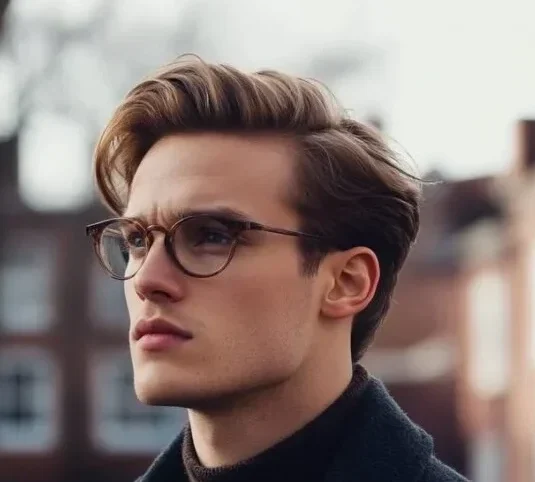
Most men want a haircut that looks sharp without fighting it every morning. The Ivy League Haircut gives you short sides and longer hair on top for a clean part. It delivers shape and control while staying easy to manage. Busy professionals choose this cut because it works for both work and weekends without extra effort.
The Ivy League stands out because it balances structure with real flexibility. You keep the sides tight and leave enough length on top to create movement. This cut suits men who want a neat appearance without heavy styling. It stays practical, low maintenance, and professional across different hair types and face shapes.
What Is an Ivy League Haircut

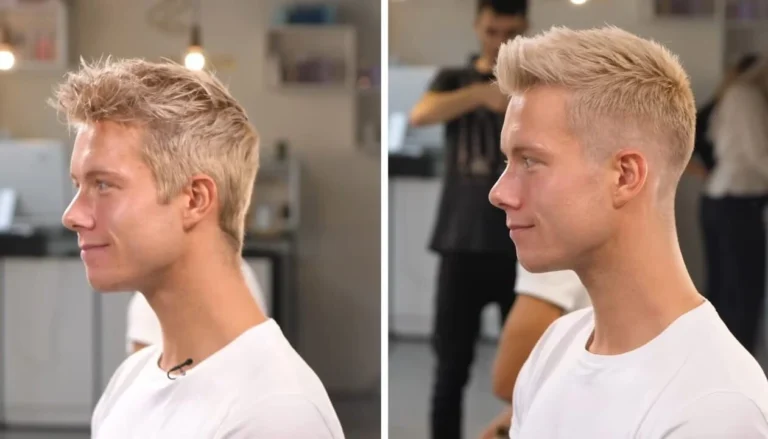
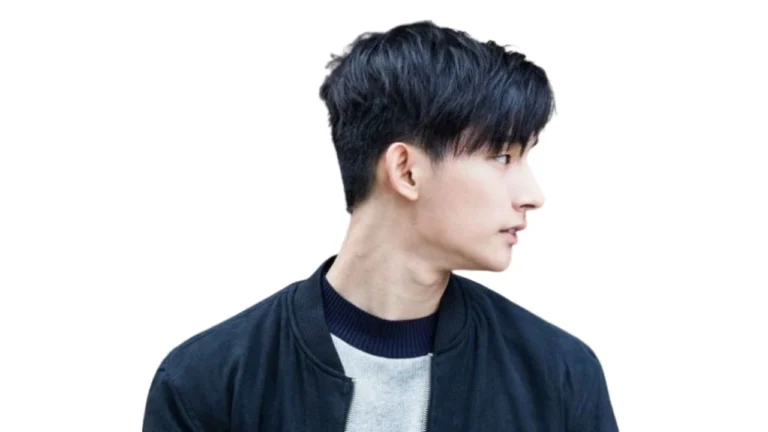
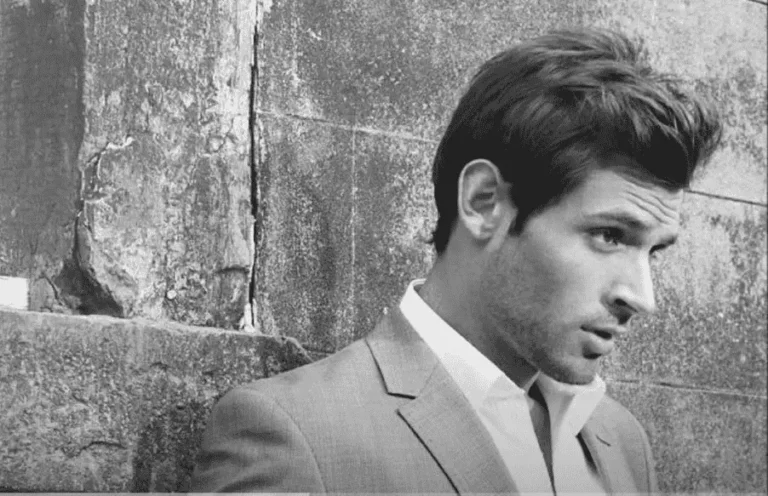
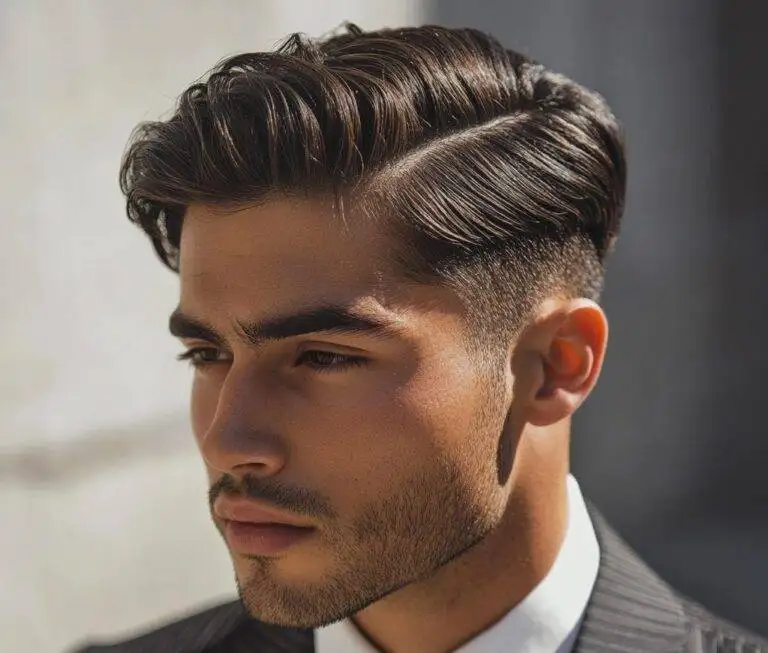
An Ivy League haircut keeps the top longer than a crew cut. You part the hair on one side. The sides stay short but not shaved. This gives shape and control without much work. Many men choose it for office jobs and daily wear. It looks clean yet allows some movement on top.
Ivy League Haircut vs Crew Cut

The crew cut keeps everything short and even. The Ivy League leaves more length on top for a side part. Crew cuts need less styling. Ivy League cuts need a quick comb and product. Men who want options pick the Ivy League. Those who want zero effort pick the crew cut.
Ivy League Haircut vs Side Part
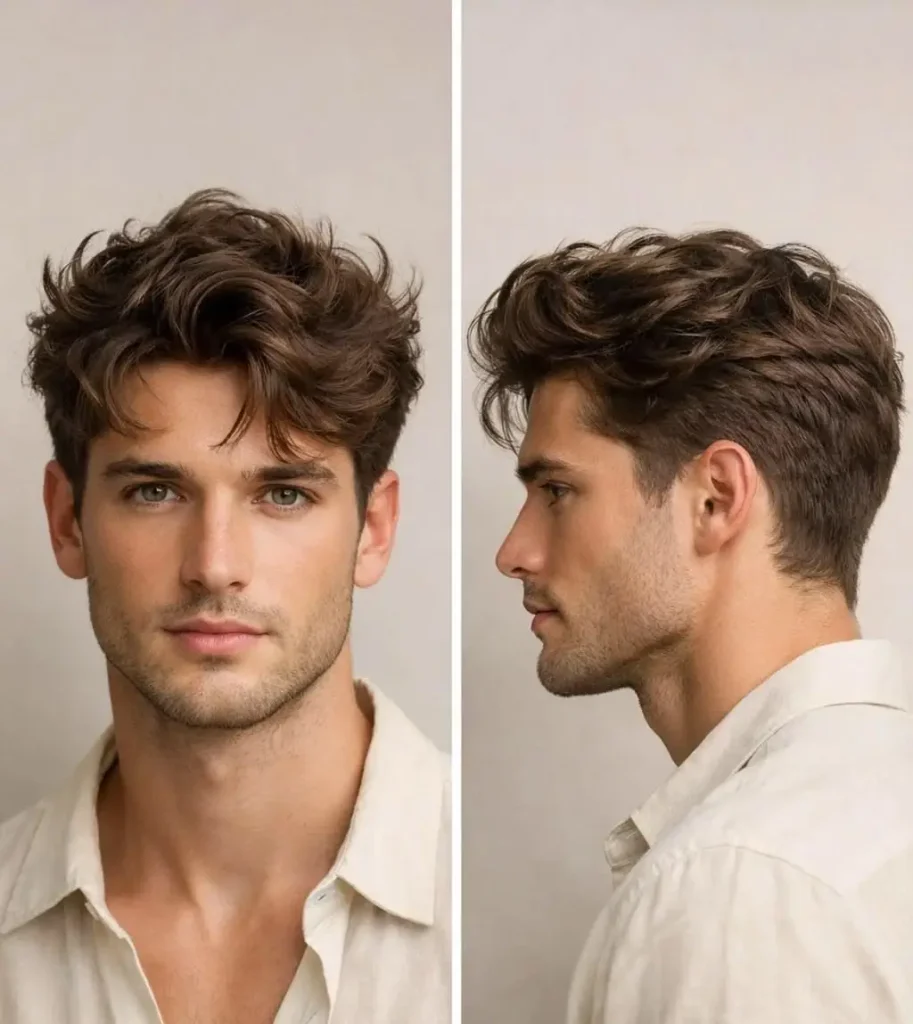
A regular side part works on longer hair. The Ivy League keeps the sides tighter and the top shorter overall. This creates better contrast and shape. Side parts can look heavy on thick hair. Ivy League cuts stay lighter and easier to manage.
History and Origin
The style started in the 1950s at Ivy League schools. Students wanted something neat but not as short as military cuts. Barbers on the East Coast refined it over time. It spread through colleges and later into business settings. The cut has stayed popular because it balances tradition with simple upkeep.
Variations
Short
This version keeps the top under two inches. Sides stay very close. It suits men who want low effort but still need a part. Many barbers recommend it for first-time Ivy League cuts.
Medium
The top sits between two and three inches. You get more volume and movement. This length works well for most face shapes. It gives room to style in different ways.
Long
The top grows past three inches. You can sweep it back or push it forward. This version needs more product and regular trims. Men with straight hair often prefer this length.
Ivy League Haircut with Fade
A fade blends the sides down to skin. It adds contrast and makes the top stand out. Many younger men choose this look. It still follows the classic part on top.
Low Taper
A low taper keeps the fade soft and starts lower. The change from side to top feels gradual. This works better for older men or those who want a subtle change.
Textured
The barber adds texture on top with scissors. This creates a natural finish without heavy product. Thick hair responds well to this approach. It reduces bulk while keeping the shape.
Curly
Curly hair needs extra length on top to form the part. The barber leaves the sides short to reduce volume. You style it with light cream instead of strong hold products. Many men with curls find this cut works once they grow the top out.
Thick Hair
Thick hair needs thinning or texture on top. Otherwise it becomes heavy and hard to part. Ask the barber to remove weight while keeping the length. This prevents the helmet look.
Classic
The classic version follows the original college style. Sides stay short with a clean taper. The top stays medium with a clear side part. It remains the safest choice for professional settings.
How to Choose an Ivy League Haircut
By Face Shape
Round faces look better with more height on top. Square faces handle shorter sides well. Oval faces work with almost any length. Long faces need volume on the sides to balance proportions.
By Hair Type
Straight hair holds a part easily. Wavy hair needs light product for control. Thick hair requires texture work. Thin hair benefits from a slightly longer top to create fullness.
How to Ask Your Barber for an Ivy League Haircut
Tell the barber you want an Ivy League cut with a side part. Say the top should stay longer than a crew cut. Show a photo that matches your hair type. Mention the side length you prefer. Clear words prevent mistakes.
How to Style an Ivy League Haircut
Step-by-Step Styling at Home
Wash your hair first. Towel dry until damp. Add a small amount of cream or pomade. Comb the part into place. Blow dry on low heat for shape. Finish with light spray if needed. Keep the routine under five minutes.
Best Products for Ivy League Haircuts
Use a light cream for natural hold. Pick a matte pomade for thicker hair. Sea salt spray adds texture on straight hair. Avoid heavy gels that flatten the look. Test small amounts first.
Ivy League Haircut Maintenance and Upkeep
Get a trim every three weeks. This keeps the shape clean. Wash hair every other day to avoid buildup. Use a light conditioner on the top only. Check the part line during daily combing. Small fixes prevent bigger problems later.
Common Mistakes with Ivy League Haircuts
Many men grow the top too long before the first trim. This makes the part hard to hold. Others ask for sides too short and lose the classic balance. Some use too much product and create a greasy finish. A few skip regular visits and let the shape disappear. These errors turn a clean cut into something messy.
Ivy League Haircut for Different Hair Conditions
Thinning Hair
Keep the top slightly longer to create coverage. Ask for texture instead of heavy layers. Avoid tight parts that show scalp. This cut can still work with the right length.
Receding Hairline
A forward sweep often hides early recession better than a hard part. Keep sides short to draw attention upward. Some men switch to a textured top instead of a strict part. Real results depend on how far the hairline has moved.
Celebrity Ivy League Haircuts
Several actors and athletes have worn this cut on screen. The style looks sharp in photos and holds up under lights. It gives a polished appearance without looking styled too much. Men often copy these looks when they want something reliable.
Finding a Good Barber for an Ivy League Haircut
Look for barbers who show Ivy League examples in their portfolio. Check recent work on similar hair types. Ask how they handle thick or curly hair. A good barber explains the cut before starting. In most cities, shops that focus on classic styles deliver better results than chain salons. Visit once and judge the finish and advice.
Frequently Asked Questions
What length works best for an Ivy League cut?
Medium length on top gives the most options.
Can you wear this cut with a beard?
Yes. Keep the beard short and neat to match the haircut.
How often should you wash Ivy League hair?
Every other day works for most men.
Does this cut suit all ages?
It works from the early twenties into the forties and beyond.
What if your hair will not hold a part?
Add texture or switch to a forward style instead.